
Phytoplankton Bloom and Turquoise Water Along New Jersey Shores |
Insights into ocean color change and its remarkable turquoise transformation |
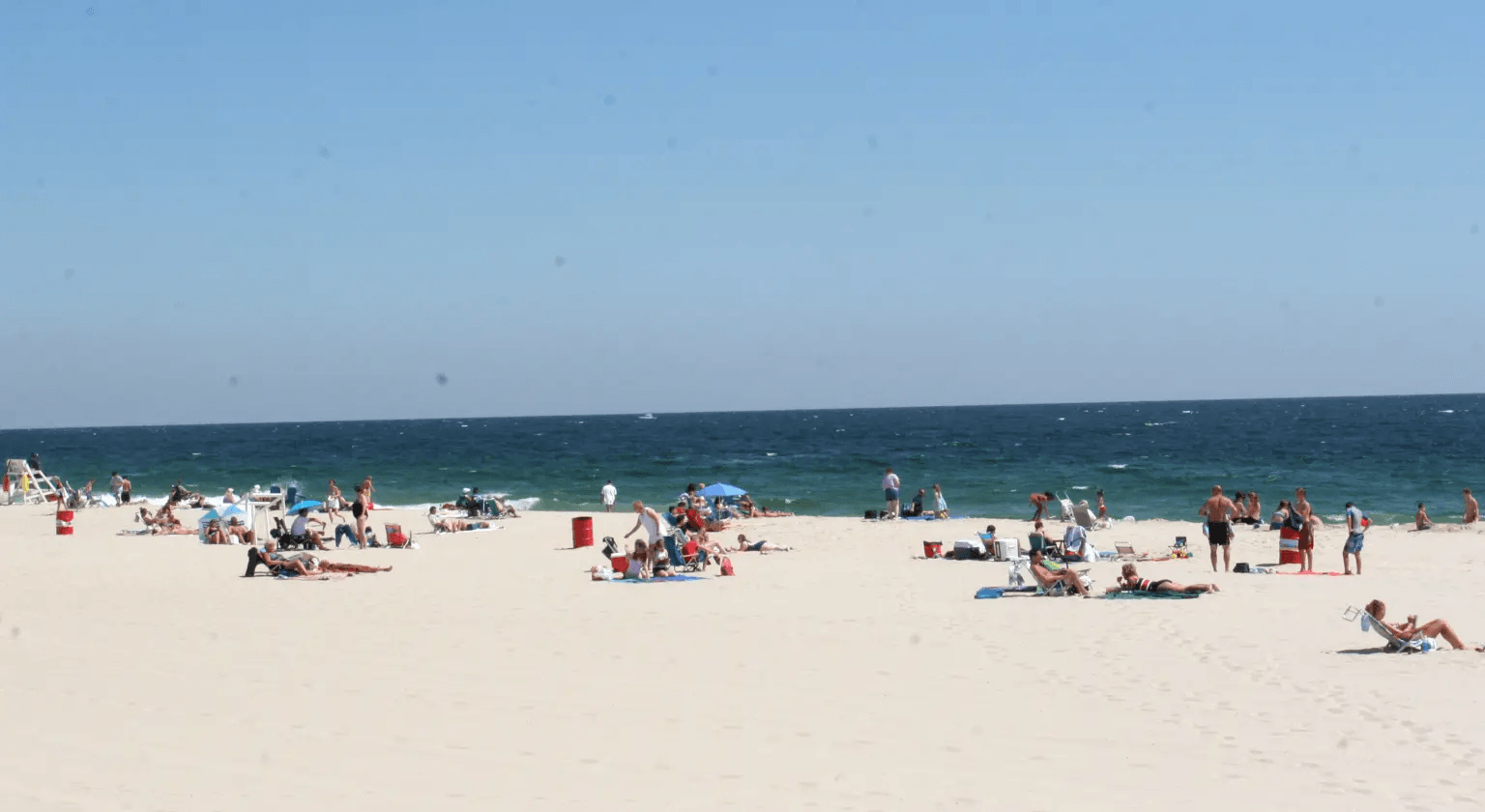
The ocean along New Jersey's coastline has recently transformed into a striking turquoise hue, captivating both residents and visitors.
This vibrant color change is attributed to a significant phytoplankton bloom, a natural phenomenon where microscopic plant-like organisms proliferate near the ocean's surface.
When sunlight interacts with the chlorophyll in these dense concentrations, the water reflects bright blue and turquoise tones, creating a spectacle visible even from space.
Satellite imagery from NASA's MODIS (Moderate Resolution Imaging Spectroradiometer) has captured these swirling patterns of color off the Mid-Atlantic coast, highlighting the bloom's expansive reach. ([modis.gsfc.nasa.gov](https://modis.gsfc.nasa.gov/gallery/individual.php?db_date=2026-05-23&utm_source=openai))
The phenomenon is most pronounced in the shallow coastal zones where waters from Raritan Bay, Delaware Bay, and Chesapeake Bay merge with the Atlantic Ocean, an area known as the Mid-Atlantic Bight. ([science.nasa.gov](https://science.nasa.gov/earth/earth-observatory/color-off-the-mid-atlantic-coast/?linkId=944942022&utm_source=openai))
Typically, the ocean in this region appears darker due to sediment and algae. However, the current bloom has dramatically altered its appearance, leading some to draw comparisons to tropical destinations. ([foxweather.com](https://www.foxweather.com/earth-space/ocean-tropical-turquoise-blue-peak-tourism-east-coast?utm_source=openai))
Phytoplankton blooms are common in the Mid-Atlantic during spring and summer, though their timing and intensity can vary annually. This year's bloom stands out for its vivid coloring and scale. ([modis.gsfc.nasa.gov](https://modis.gsfc.nasa.gov/gallery/individual.php?db_date=2026-05-23&utm_source=openai))
While these blooms are generally harmless and play a crucial role in marine ecosystems, extremely large blooms can sometimes stress marine life if massive amounts of phytoplankton die off simultaneously. ([science.nasa.gov](https://science.nasa.gov/earth/earth-observatory/phytoplankton-bloom-off-new-jersey-88340/?utm_source=openai))
As the bloom progresses, oceanographers anticipate that the turquoise waters will gradually return to their usual color as nutrient levels stabilize and the phytoplankton population diminishes. |
0 Comments
Join the conversation
Be the first to comment
Share your thoughts above.