
Phytoplankton Bloom Transforming Turquoise Ocean Water at New Jersey Shores |
Insights from NASA satellite ocean imagery and striking blue water changes |
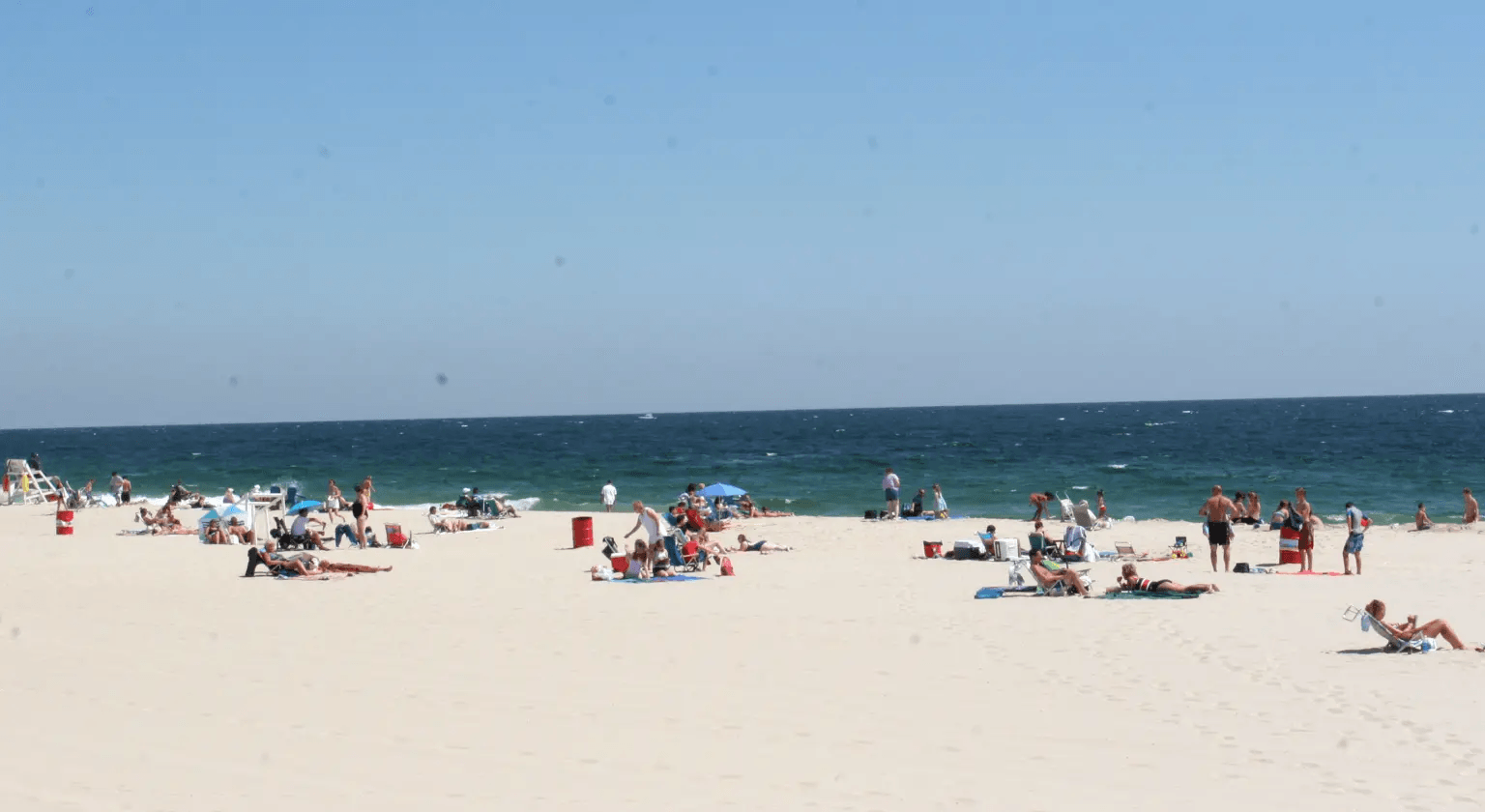 |
The ocean waters off New Jersey's coast have recently transformed into a striking turquoise hue, captivating both residents and visitors. This vivid color change is attributed to a significant phytoplankton bloom, as observed in recent NASA satellite ocean imagery.
Phytoplankton are microscopic, plant-like organisms that thrive near the ocean's surface. When conditions align—such as increased sunlight and nutrient-rich waters—these organisms multiply rapidly, leading to expansive blooms. The chlorophyll within phytoplankton absorbs sunlight, reflecting bright blue and green wavelengths, which imparts the ocean's surface with its mesmerizing turquoise appearance.
The Mid-Atlantic Bight, encompassing areas from Cape Hatteras, North Carolina, to Martha's Vineyard, Massachusetts, is particularly susceptible to such blooms. This region experiences seasonal upwelling, where deeper, cooler, and nutrient-dense waters rise to the surface, fostering ideal conditions for phytoplankton growth. Consequently, the waters off New Jersey, including locales like Belmar and Cape May, have exhibited these vibrant color changes.
While these blooms are a natural and essential component of the marine ecosystem, providing a foundational food source for various marine species, they can occasionally lead to challenges. Massive die-offs of phytoplankton can deplete oxygen levels in the water, potentially stressing or harming marine life. However, current observations indicate that the present bloom poses minimal risk to swimmers, surfers, and beachgoers.
NASA's Earth Observatory and Goddard Space Flight Center continue to monitor these developments closely. The combination of favorable weather patterns, nutrient availability, and ocean currents this spring has culminated in one of the most visually striking displays in recent memory. As summer progresses, the bloom is expected to subside as nutrient levels diminish and ocean conditions stabilize. |